3
Large orchestra concerto: Brahms – 2
After the February concert, in May the BFO will perform two more of Brahms' Hungarian Dances, a challenging concerto, and a symphony that traverses the depths of the musical landscape.
After the February concert, in May the BFO will perform two more of Brahms' Hungarian Dances, a challenging concerto, and a symphony that traverses the depths of the musical landscape.
Ön egy múltbeli vagy elmaradt eseményre keresett. Kérjük, válogasson aktuális kínálatunkból.
Last event date: Tuesday, May 14 2024 7:45PM
Large orchestra concerto: Brahms – 2
Program:
Johannes Brahms: Hungarian Dance No. 21
Double Concerto in A minor for Violin and Cello, Op. 102
Hungarian Dance No. 14
Symphony No. 4 in E minor Op. 98
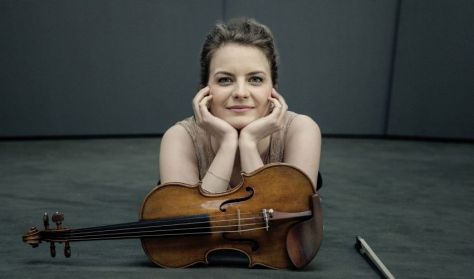
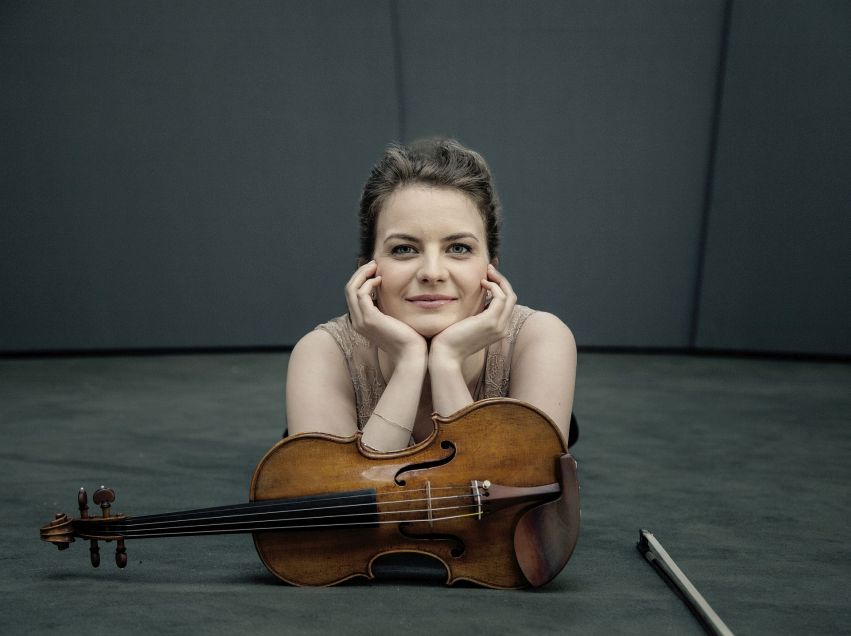
Veronika Eberle, violin
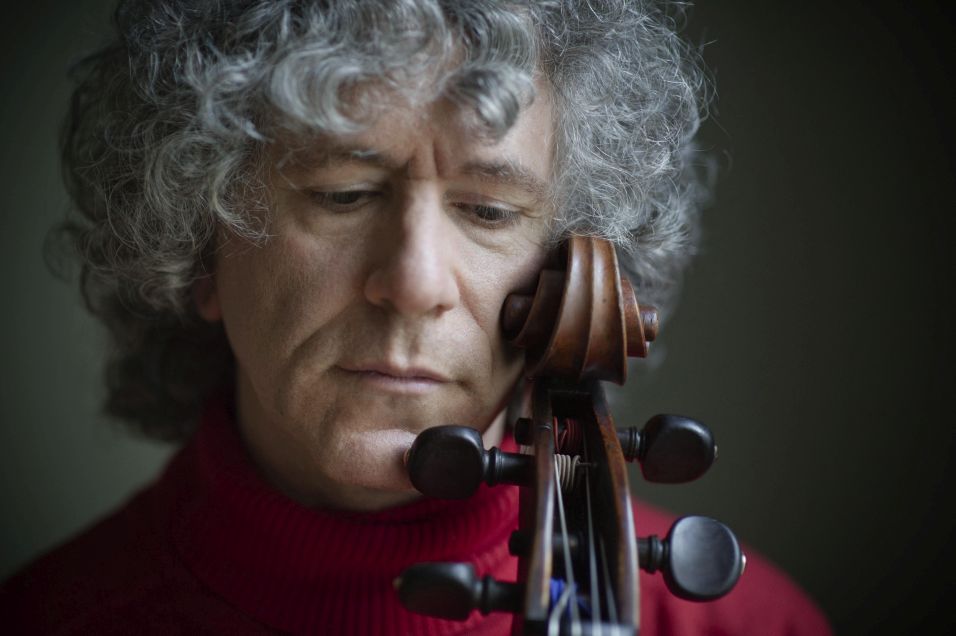
Steven Isserlis, cello
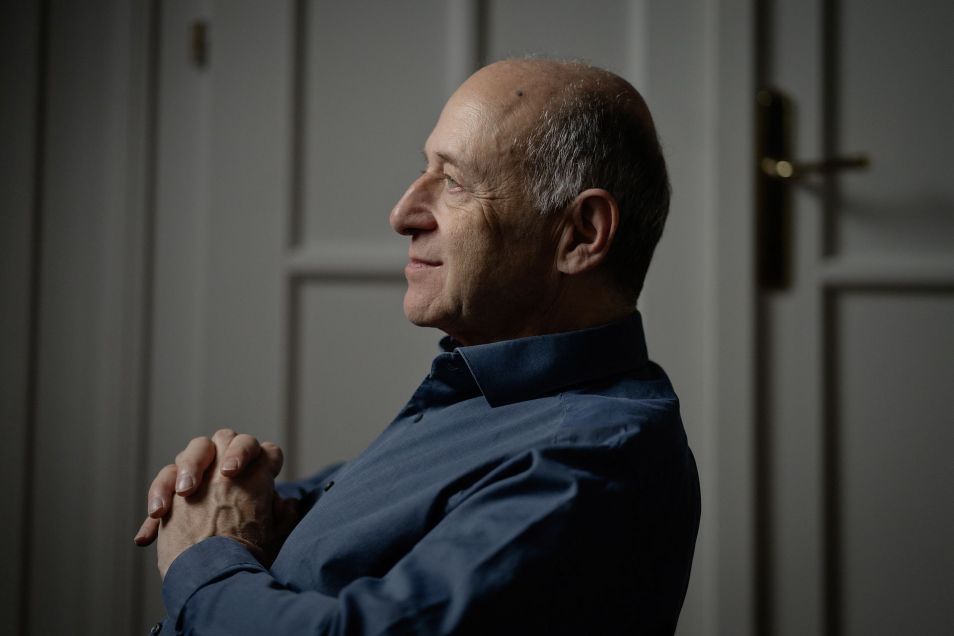
Conductor: Iván Fischer
The last, and one of the most lyrical pieces of the dance series, opens each part. The concert concludes with Brahms's tragic Symphony in E minor, which combines many elements from the Middle Ages to the Romantic period. The work before the interval was originally conceived as a fifth symphony, but eventually became a double concerto. The violin solo is played by Veronika Eberle on a 1693 Stradivarius, whose sound, according to a Bachtrack reviewer, "is like a warm sunbeam breaking through the clouds". Her partner is the multi-faceted legend and Gramophone Hall of Fame member, Steven Isserlis, a cellist, writer, musical explorer and general enthusiast.
The twenty-one Hungarian Dances is the most widely known series of the Brahms oeuvre. The composer's violinist friend, Ede Reményi, introduced him to Hungarian urban gypsy music, the genres of csárdás and verbunkos. The piano pieces for four hands, which Brahms called arrangements, are today better known in orchestral versions. With its nimble tempo, rich ornamentation, and the prominent role of the flute, the 21st Hungarian Dance is reminiscent of virtuoso folk recorder playing. The 14th piece in the series is one of the few dances in which Brahms did not use any borrowed melodies. Slow, elegant music that resembles a palotás, a Hungarian court dance.
“I was struck with the amusing idea of writing a concerto for violin and cello,” Brahms wrote to Clara Schumann. The double concerto is a gesture of reconciliation towards Joseph Joachim, after their long friendship had ruptured following Joachim's divorce from his wife Amalie (Brahms had sided with Amalie in the dispute). The piece, in which the cello solo symbolizes Brahms and the violin solo Joachim, achieved the desired effect. The two characters, engaging in dialogue, found harmony with one another both in the music and in life. The two instruments abound in solos, but it's their duets that are really memorable: sometimes they play completely together at the same pitch. After a lengthy opening movement and a long slow movement, the work ends with a light finale.
Brahms feared that the dramatic, serious tone of his Symphony No. 4 would be poorly received. However, the premiere conducted by the composer was a great success, and two movements were repeated with the Meiningen orchestra. In the first movement, a simple motto-like theme and a rhythmic melody weave an increasingly complex web. The classical sonata form is followed by a slow movement using medieval Phrygian tonality, in which the melody, considered to be Brahms's most beautiful, is played. The composer unleashes his sense of humor in the scherzo by enhancing the cheerful mood with the tinkling of the triangle. The finale, written in the form of a baroque chaconne, builds on a Bach bass melody with increasingly complex variations to bring the piece to a painful end.
A Szépség és a Szörnyeteg a Disney egyik legsikeresebb, legelbűvölőbb meséje, az első olyan animációs film, amelyet Oscar-díjra jelöltek a Legjobb film kategóriájában, és öt Grammy-díjat is kapott.
A Monte Cristo grófja egy igazi, nagy ívű, romantikus musical. A történet ismert: nyüzsgő kikötő, a tenger hullámzása, régi-új szerelmek, esély egy új életre, őrült karneváli forgatag, intrika, bosszúvágy, elégtétel és Párizs, hol jobb és könnyebb az élet... mind-mind megelevenedik Alexandre Dumas világhírű regényének zenés színházi adaptációjában.
Hófehérke és a gonosz mostoha története, Kocsák Tibor fülbemászó zenéjére, ifj. Harangozó Gyula ötletekből kifogyhatatlan koreográfiájával, Velich Rita gyönyörű jelmezeivel, Kentaur varázslatos látványvilágával elevenedik meg. A Budapesti Operettszínház előadása
A Budapesti Operettszínház kiemelten fontosnak tartja, hogy támogassa autista embertársainkat a minél teljesebb élet megteremtésében és megélésében, ezért – ahogyan…
A Kossuth-díjas Vidnyánszky Attila, a Nemzeti Színház igazgatója először rendez operettet, méghozzá a világ leghíresebbjét!
item(s) in basket
total:
Time limit has expired. Please, put item(s) in to basket again.
BUDAPESTI OPERETTSZÍNHÁZ
© 2008-2023, All rights reserved by the Budapest Operetta & Musical Theatre